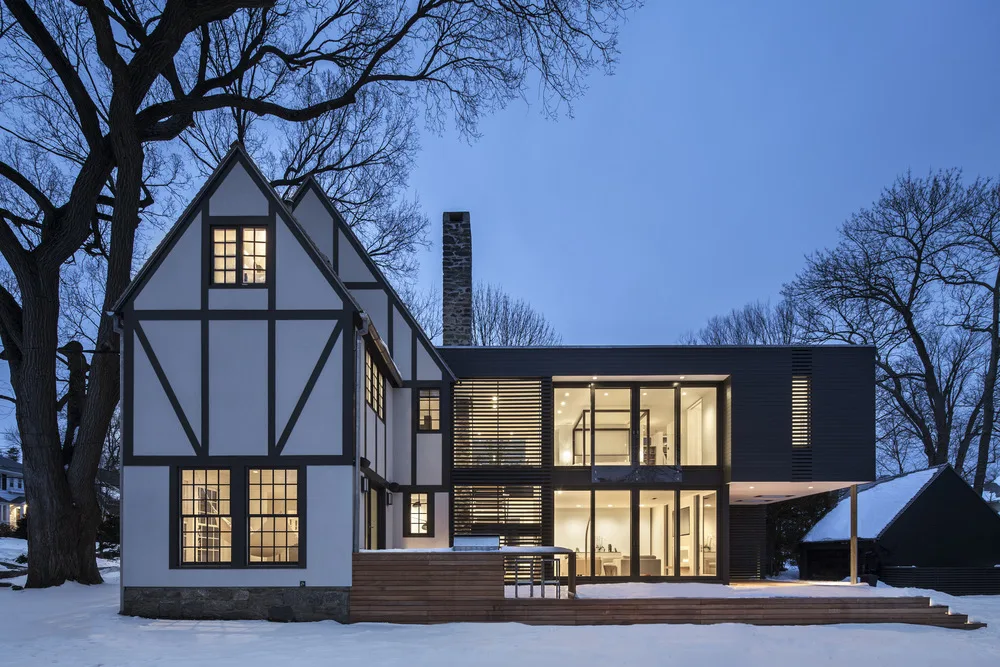
Outdoor decks serve a wonderful function as a gathering place for family meals, relaxation in the evening or company with friends. In any case, when planning and upgrading of this area, safety shall always be considered first.
Slips and falls can be more likely on wet surfaces, due to poor maintenance or on loose boards. The selection of the appropriate decking material can be used to offset these concerns.
Homeowners looking to maintain their outdoor space or enjoy it for years to come will find PVC decking to be a more convenient choice. When thinking about renovating your deck, it can be beneficial to know its characteristics.
Table of Contents
ToggleWhy Does Decking Material Matter for Outdoor Safety?
A deck is exposed to various conditions of the weather year round. It can be worn out over time due to rain, moisture, and dirt. When the ground becomes slippery, uneven, or busted, it can be more difficult to walk safely.
Also known as polyvinyl chloride (PVC), PVC decking is created from plastic. It does not soak up water like each and every natural timber. This can help minimize moisture related issues in the boards. Even so, it is essential to consider the texture and quality of the product to ensure appropriate decking.
Everyone who owns a deck ought to think about what they intend to do with it. A vicinity involving a swimming pool can go through many splashes. For children, a deck could require a surface that is easily cleansed and examined. Choices of materials and design can enable a safer outdoor space.
How PVC Decking Can Support a Safer Outdoor Space
1. Reduced Moisture Absorption
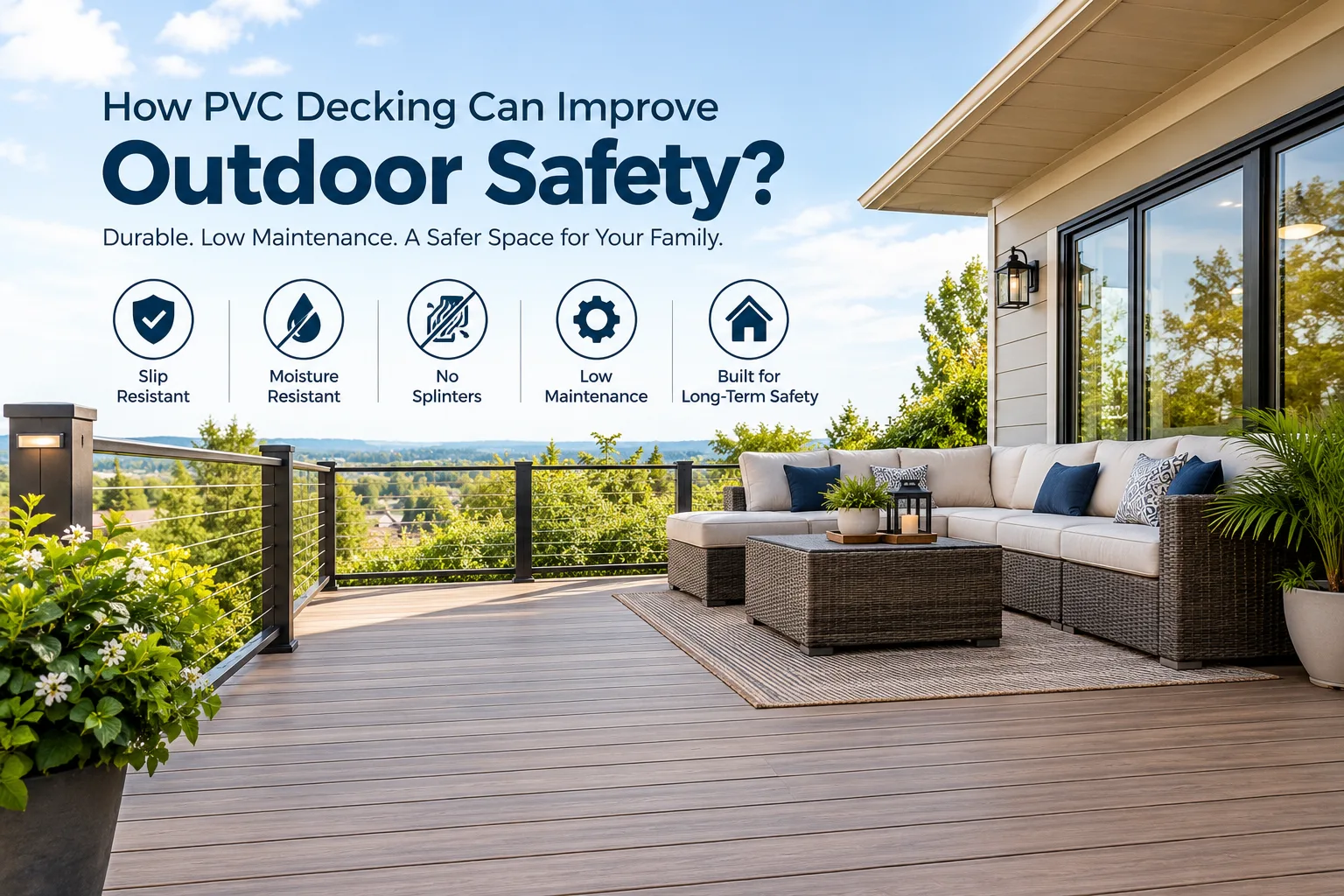
Wood can absorb moisture, which may contribute to swelling, warping, and other surface changes. PVC decking resists water absorption, making it a useful option for outdoor areas that receive frequent rain or splashes.
A more stable surface can help reduce problems caused by moisture related damage. However, standing water, algae, and dirt can still create slippery conditions. Regular cleaning and proper drainage remain important for maintaining a safe deck.
2. Less Risk of Splinters
Traditional wood decking can develop splinters as the material ages or its surface wears down. These small pieces can hurt bare feet and cause discomfort for children playing outdoors.
PVC boards do not splinter like natural wood. This feature can make them more comfortable for people who prefer walking barefoot on a deck. Homeowners should still inspect the surface for cracks, damage, or other defects that may develop over time.
3. Easier Routine Maintenance
Outdoor surfaces need regular attention to remain safe. Dirt, fallen leaves, and other debris can collect across walking areas and between boards.
PVC decking generally requires less maintenance than traditional wood. Homeowners do not need to sand or stain it in the same way they might maintain a wooden deck. Routine cleaning helps remove dirt and keeps the surface in better condition.
A maintenance schedule should also include checking for loose boards, damaged edges, and areas where water collects. These simple steps help identify potential hazards before they become serious problems.
Important Features to Consider Before Installation
Choosing PVC decking involves more than selecting a color or finish. The installation plan also affects how safely people can use the deck.
Consider these points before starting your project:
• Surface texture: Choose a product designed to provide suitable traction outdoors. Ask about its performance in wet conditions rather than assuming every PVC board offers the same grip.
• Drainage: Plan the deck layout to prevent unnecessary water accumulation. Proper drainage helps reduce slippery conditions and protects nearby building materials.
• Secure installation: Follow the manufacturer’s installation instructions. Correct fastening helps keep boards stable and reduces unwanted movement under regular foot traffic.
• Stair safety: Ensure that stairs have consistent dimensions and a stable walking surface. Secure handrails can provide support when people move between the deck and the yard.
• Edge protection: Consider suitable railings where the deck height and local building requirements call for them. Secure barriers help reduce the risk of accidental falls.
These details work together to support a safer outdoor structure. Even a durable decking material cannot compensate for poor installation or an unsafe layout.
Can PVC Decking Reduce Long Term Safety Concerns?
Deck safety depends on the condition of the entire structure. PVC decking can reduce certain maintenance concerns, but homeowners should not treat it as a maintenance free solution.
Regular inspections can reveal damaged boards, loose fasteners, and problems around stairs or railings. Cleaning also helps remove dirt and organic growth that may affect traction. Follow the manufacturer’s care instructions to avoid unsuitable cleaning products or tools.
Temperature changes can affect PVC materials. Some products expand and contract as temperatures change, so installers must allow for movement according to the manufacturer’s instructions. Correct spacing and fastening help the boards perform as intended.
Homeowners should also check the supporting frame beneath the deck. A sound walking surface does not guarantee that the structure below it remains secure. Inspecting the framing, connections, stairs, and railings helps address safety concerns beyond the decking boards themselves.
Why Professional Planning Matters for PVC Decking
A successful deck project starts with a clear understanding of the property’s needs. The deck’s height, shape, drainage, access points, and expected use all influence the final design.
Unik Construction can help homeowners consider these practical details before installation begins. The right approach involves choosing suitable materials, preparing a stable supporting structure, and following applicable building requirements.
Professional guidance can also help identify potential problems with existing decks. If boards feel unstable or stairs appear uneven, an inspection can help determine whether the project needs repairs, replacement materials, or a broader renovation.
A well planned deck should combine durability, convenient maintenance, and safe access. PVC decking can support these goals when homeowners choose an appropriate product and pair it with proper construction practices.
The Bottom Line
PVC decking by the best deck builders offers practical benefits for homeowners who want a safer and easier to maintain outdoor space. Its resistance to moisture absorption, reduced risk of splinters, and simple cleaning requirements make it worth considering for a deck renovation. However, the material alone cannot prevent every accident.
Surface traction, drainage, secure installation, stable stairs, and regular inspections remain essential. Unik Construction can help homeowners plan an outdoor improvement project around these needs.
With suitable materials and careful construction, you can create a deck that supports everyday activities and gives your family a comfortable place to spend time outdoors.