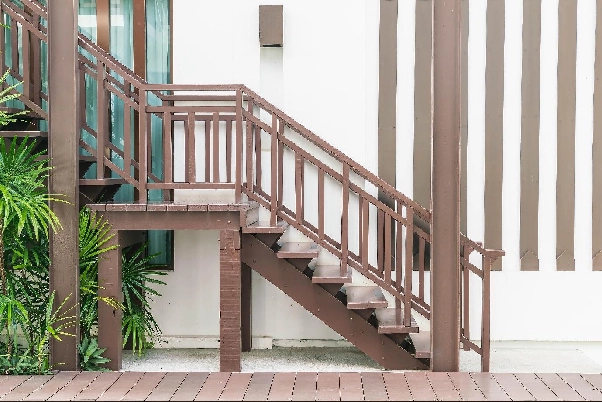
A new deck adds value, comfort and charm to a home. Most homeowners plan their project with a set budget but the final expense often changes based on the material. Deck building cost depends on size layout and labor but material choice creates the biggest shift in the total amount. Each material comes with its own benefits, challenges and long term expectations. The goal is to understand how every option influences the price so you can make an informed decision.
Material is not a simple surface layer. It affects the structure’s lifespan strength and overall appearance. When you compare materials you begin to notice differences that go beyond the initial cost. Durability and maintenance have a strong effect on how much money you spend over time. Some materials are more affordable when first purchased while others offer savings later because they last longer with less upkeep.
A clear understanding of each choice allows you to match your deck to your lifestyle. Whether you want a traditional look or a modern surface you can find a material that supports your vision without overwhelming your budget.
Table of Contents
ToggleUnderstanding Natural Wood Options
Natural wood remains a popular choice among homeowners. It brings a warm appearance and suits many outdoor settings. The deck building cost varies depending on the type of wood. Some woods are more accessible while others come from premium sources. This difference creates a range of prices that may or may not fit your budget.
Softwood like pressure treated lumber is often the most affordable option. It holds its structure well and works for many designs. However it needs regular care to maintain its color and prevent damage from moisture and insects. As maintenance increases so does long term spending.
Hardwood options like cedar and redwood offer a richer appearance. They are stronger and more resistant to natural elements which increases their base price. While they age beautifully they also require consistent maintenance to stay in good condition. Homeowners who love the classic look of natural wood must prepare for ongoing care which adds to the overall cost over time.
Wood decking is ideal for anyone who enjoys its natural appeal but it requires commitment. The upfront cost may be manageable but maintenance becomes a key factor in total spending.
Exploring Composite Deck Materials
Composite decking is a blend of wood fibers and plastic. It has become a popular alternative because of its strength and minimal maintenance. The deck cost changes when choosing composite because it is higher in price at the start. However the lack of ongoing upkeep often balances the total expense.
Composite boards resist fading splintering and moisture damage. This makes them a long lasting option for busy homeowners. Since composite does not require staining or sealing it saves time and maintenance expenses. Many brands offer a variety of colors and textures which allows you to match your home style without the worry of frequent repairs.
The price difference between basic and premium composite lines also plays a role in planning. Some variations include stronger caps or special finishes which increase durability. While the initial cost rises the investment provides long term value. When considering composite the main question becomes how much you want to spend up front versus how much you want to save later.
Composite is ideal for homeowners who want a good balance between beauty and endurance. It offers a stable surface that looks polished and stays reliable through changing seasons.
Considering PVC as a Premium Choice
PVC decking represents one of the most advanced options on the market. It is made entirely from plastic which eliminates issues related to moisture or wood decay. The deck cost increases significantly with PVC due to its specialized manufacturing and impressive durability.
PVC boards resist stains, scratches and fading better than many alternatives. They are lightweight, easy to install and come in various styles that mimic natural textures. Since PVC does not absorb water it remains stable in humid or rainy climates. This feature alone makes it worth considering for homeowners who face harsh weather conditions.
While PVC offers exceptional benefits its overall cost places it in the premium category. It requires little to no maintenance and lasts for many years. This long lifespan creates savings over time which offsets the larger initial investment. PVC is an excellent choice for homeowners who want a modern durable surface that stays attractive with minimal effort.
How Labor Relates to Material Selection
Material choice does not only affect supply pricing. It also changes labor requirements. Some materials are easier to cut, drill and secure. Others demand special tools or methods which increase the labor hours and add to the deck cost.
Wood is usually straightforward for skilled builders. Composite and PVC sometimes need specialized fasteners or techniques. These added steps extend the time needed to complete the deck. A longer installation means a higher bill for labor.
Even though composite and PVC require more precision they often deliver long term savings because they reduce repair and replacement expenses. This balance between installation cost and future savings is an important part of the decision making process.
Maintenance Requirements and Long Term Value
Maintenance has a major effect on deck expenses. Natural wood needs staining sanding and sealing. Moisture exposure often leads to repairs. These repeating tasks increase the total cost as the years pass.
Composite and PVC minimize maintenance. They only require simple cleaning. This makes them more practical for busy households. The long term value comes from avoiding expensive repairs. Many homeowners find that the savings over time justify the higher initial cost.
Long term value is not only about money. It also includes the time and effort needed to keep the deck looking fresh. Choosing a low maintenance material reduces stress and saves hours of upkeep every year.
Choosing the Right Material for Your Budget
When selecting material the goal is to match cost appearance and performance. Natural wood offers a classic look at a lower base price but comes with maintenance demands. Composite gives durability and a modern finish with balanced cost over time. PVC provides premium performance with minimal upkeep but requires a larger investment at the start.
The right choice depends on your lifestyle, climate and long term expectations. A deck is a lasting feature so careful consideration ensures a better return on your investment.
The Bottom Line
Material selection shapes the entire deck building cost from installation to long term care. Each option offers its own benefits and price differences. Unik Construction guides homeowners through these choices with clear explanations, expert advice and reliable craftsmanship.
Whether you want a traditional wood surface or a modern low maintenance option the team ensures your deck is built with precision quality and attention to detail. Unik Construction helps you choose the best material for your needs so your outdoor space remains strong, beautiful and enjoyable for many years.